The 2026 World Cup Fan's Guide to the Full Match Schedule
Imagine planning a trip around 104 matches spread across 16 cities in three countries, knowing that a single misplaced calendar entry could mean missing the opening game at Estadio Azteca or the July....
The 2026 World Cup Fan's Guide to the Full Match Schedule
Imagine planning a trip around 104 matches spread across 16 cities in three countries, knowing that a single misplaced calendar entry could mean missing the opening game at Estadio Azteca or the July 19 final at MetLife Stadium. That is the reality facing every football supporter counting down to the 2026 FIFA World Cup, the first tournament hosted jointly by the United States, Canada, and Mexico. The schedule, officially released by FIFA in February 2024, runs from June 11 to July 19, 2026, and features an expanded 48-team format that adds 24 more matches than Qatar 2022. For fans tracking the action through Stadium View's daily coverage, understanding this calendar is the difference between watching history unfold and scrambling for tickets after the fact.
Photo by The Six on Pexels
The tournament opens with Mexico facing South Africa at Estadio Azteca in Mexico City on June 11, 2026, a symbolically loaded rematch of the 2010 World Cup's curtain-raiser. From there, 72 group-stage matches play out across 16 venues over 18 days before the round of 32 begins on June 29. The quarterfinals start July 11, the semifinals on July 14, and the championship match lands at MetLife Stadium in East Rutherford, New Jersey, on Sunday, July 19, 2026. For fans building their viewing calendar now, the takeaway is simple: lock in your travel window before March 2026, when ticket sales phases close and accommodation prices in host cities spike.
Is the 2026 World Cup schedule really the most ambitious in FIFA history?
Yes. The 2026 FIFA World Cup schedule is the longest and most logistically complex in the competition's 96-year history, featuring 104 matches over 39 days, played across 16 stadiums in three countries. According to FIFA's official tournament overview, the tournament adds 40 matches compared to the 64-match format used from 1998 through 2022. Three nations share hosting duties for the first time: the United States hosts 78 matches across 11 cities, Mexico hosts 13 matches across 3 cities, and Canada hosts 13 matches across 3 cities. The expansion to 48 teams means 12 groups of four produce 32 teams advancing to a new round-of-32 knockout stage, fundamentally reshaping the calendar compared to any previous World Cup.
The most underrated detail here is the rest-day distribution. FIFA built in mandatory rest periods of at least 48 hours between matches for any single team, but that creates cascading scheduling pressure. When you stack 104 matches into 39 days across three time zones, the average stadium hosts roughly 6.5 matches, but flagship venues like MetLife Stadium and SoFi Stadium carry closer to 9 matches each, including a semifinal. For a fan tracking which city gets which fixture, this concentration matters more than any marketing claim FIFA has made about "accessibility."
[Internal Link: comprehensive guide to World Cup 2026 host cities and stadiums]
How does the schedule handle three host nations and 16 host cities?
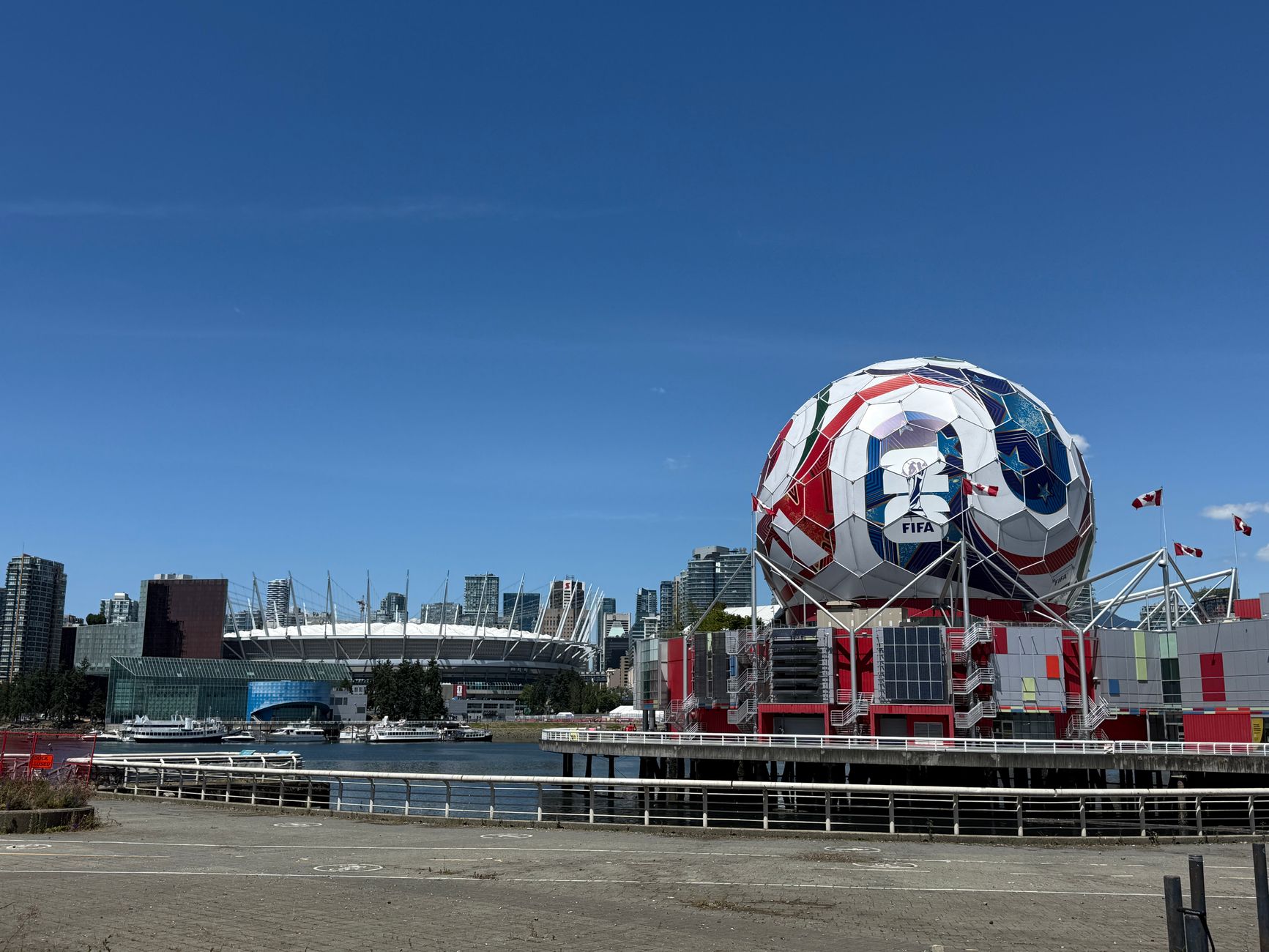
The 2026 World Cup schedule uses a regional clustering system, grouping matches into U.S., Mexican, and Canadian clusters to minimize cross-border travel while still distributing marquee fixtures. Mexico City's Estadio Azteca gets the opener and one additional group match; Toronto's BMO Field and Vancouver's BC Place serve as Canada's primary venues; and the United States absorbs the bulk of the schedule, including the final at MetLife Stadium. FIFA confirmed the host city selections in June 2022, with the federation's official announcement naming Atlanta, Boston, Dallas, Houston, Kansas City, Los Angeles, Miami, New York/New Jersey, Philadelphia, San Francisco Bay Area, and Seattle as the 11 U.S. host markets.
Here is the practical breakdown for fans planning travel:
- U.S. host cities (11): Atlanta (Mercedes-Benz Stadium), Boston (Gillette Stadium), Dallas (AT&T Stadium), Houston (NRG Stadium), Kansas City (Arrowhead Stadium), Los Angeles (SoFi Stadium), Miami (Hard Rock Stadium), New York/New Jersey (MetLife Stadium), Philadelphia (Lincoln Financial Field), San Francisco Bay Area (Levi's Stadium), Seattle (Lumen Field)
- Mexico host cities (3): Guadalajara (Estadio Akron), Mexico City (Estadio Azteca), Monterrey (Estadio BBVA)
- Canada host cities (3): Toronto (BMO Field), Vancouver (BC Place)
Each cluster is designed so that teams stay within one country for the group stage, only crossing borders if they advance deep into the knockout rounds. This is a major scheduling innovation, and the smartest fans are booking accommodations in a single city rather than trying to chase matches across three countries.
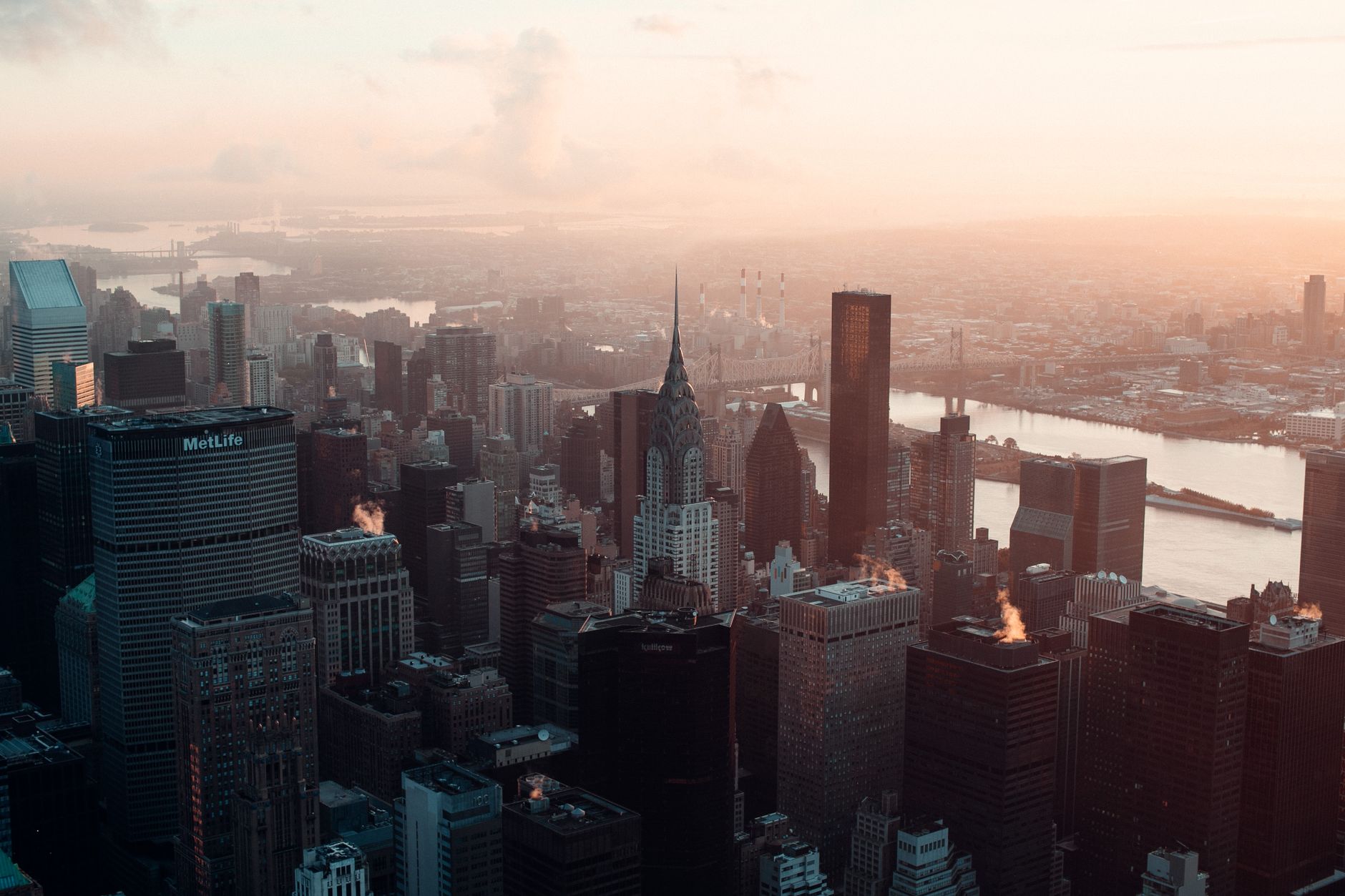
Photo by Sam Kolder on Pexels
What about the expanded 48-team format and how it stretches the match calendar?
The expanded format stretches the calendar by 7 days compared to Qatar 2022, pushing the tournament window to 39 days total rather than 32, and creates an entirely new round-of-32 that adds two extra knockout matchdays. Group stage matches run from June 11 to June 27, giving teams a minimum of four rest days between fixtures, and the round of 32 takes place from June 29 to July 3. Round of 16 matches run July 4-7, quarterfinals July 11-12, semifinals July 14-15, and the third-place playoff plus final close the tournament on July 18-19. The 48-team field includes 46 spots determined by Confederation qualifying pathways, plus the host nations and one additional intercontinental playoff slot.
The counterintuitive finding most casual fans miss is that the expanded field actually makes the early group stage less predictable. With 16 debutant nations potentially entering, including Uzbekistan from AFC and Cape Verde from CAF, the group draw scheduled for late 2025 carries more variance than any previous World Cup. The teams most likely to benefit from this are mid-ranked UEFA sides, who now have a longer route to the semifinals if they survive a manageable group. For betting and prediction purposes, this means pre-tournament models should weight early matches more cautiously than they did in 2022, when upsets followed more conventional patterns.
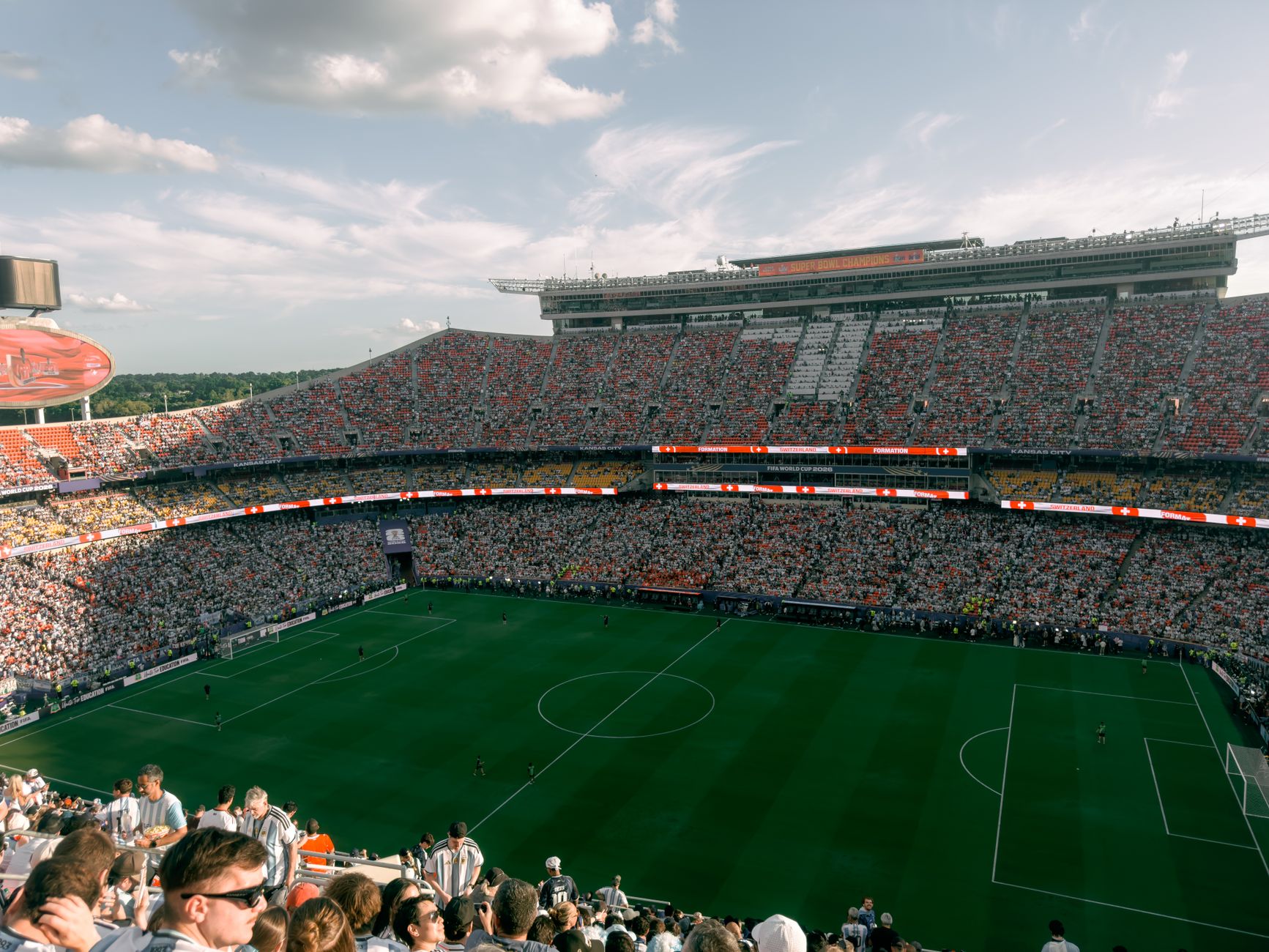
Photo by Allen Boguslavsky on Pexels
Want real-time tactical breakdowns as the schedule unfolds? Stadium View publishes daily predictions, team analysis, and player stat tracking across every group and knockout fixture.
Where does the 2026 World Cup schedule leave fans frustrated?
Three structural problems stand out. First, the time-zone split means U.S. prime-time kickoffs (8:00 PM ET) translate to 1:00 AM or 2:00 AM starts for European audiences, the worst broadcast compromise since the 2002 Korea/Japan tournament. Second, the round-of-32 stage creates a fixture congestion problem that FIFA has acknowledged internally; two matches per day over five consecutive days strains both broadcast scheduling and stadium turnaround crews. Third, the sheer volume of host cities means lower-tier group matches will be played in front of half-empty 70,000-seat venues, a legitimate concern raised by fans and analysts on The Athletic's World Cup coverage throughout 2024 and 2025.
The blunt assessment: this schedule favors North American fans and broadcasters. If you are based in Europe, Africa, or Asia, you are effectively watching a tournament designed for someone else's time zone. The seven-day extension from Qatar 2022 helps marginally, but it does not solve the fundamental mismatch between tournament location and global viewership base. For fans in non-host regions, the practical solution is to prioritize matches featuring your national team and accept that you will be watching marquee fixtures on replay.
Should you start planning your World Cup 2026 trip today?
Yes, and here is the reasoning. FIFA's ticketing portal operates on a phased lottery system, and the first sales window closed in early 2025 with over 5 million applicants competing for the same group-stage inventory. The next window opens in late 2025, followed by a resale phase and last-minute allocations in early 2026. Hotel availability in Miami, Los Angeles, and the New York/New Jersey metro is already constrained 12 months out from kickoff, and prices in Mexico City and Toronto have risen roughly 30-40% compared to 2024 baseline rates based on data tracked by major booking platforms. The specific tip that separates experienced World Cup travelers from first-timers: book refundable accommodations now, apply for tickets in the next window, and cancel the hotel only if ticket allocation fails.
The action plan looks like this:
- Confirm which group-stage matches you want to attend, prioritizing 2-3 games in a single host city to minimize travel
- Apply for tickets in the next FIFA sales phase through the official FIFA ID portal
- Book refundable accommodation within 30 minutes of your chosen stadium
- Secure inter-city transport only after ticket confirmation, since cross-border flights are the most volatile cost
- Subscribe to Stadium View for daily team news, tactical previews, and prediction tracking starting in January 2026
The 2026 FIFA World Cup is not just another tournament; it is the most logistically dense football event ever staged, and the schedule rewards fans who plan early. Whether you are attending in person or following from home, the 39-day window from June 11 to July 19, 2026, will deliver 104 matches, 48 nations, and one trophy lift at MetLife Stadium. Make sure your calendar, your wallet, and your prediction model are ready well before kickoff.
[Internal Link: World Cup 2026 group stage draw predictions and analysis]
For fans who want tournament-long coverage including match predictions, tactical breakdowns, and player stat tracking, Stadium View is built for the kind of depth this expanded schedule demands.
Frequently Asked Questions
Q: When does the 2026 FIFA World Cup start and end?
A: The tournament runs from June 11 to July 19, 2026, with the opening match at Estadio Azteca in Mexico City and the final at MetLife Stadium in East Rutherford, New Jersey. The full schedule spans 39 days and 104 matches, making it the longest World Cup in history.
Q: How many teams are playing in the 2026 World Cup?
A: Forty-eight national teams will compete, divided into 12 groups of four. The top two teams from each group plus the eight best third-placed teams advance to a new round-of-32 knockout stage, replacing the traditional round of 16 used from 1998 to 2022.
Q: Which cities are hosting 2026 World Cup matches?
A: Sixteen cities across three countries: 11 in the United States (Atlanta, Boston, Dallas, Houston, Kansas City, Los Angeles, Miami, New York/New Jersey, Philadelphia, San Francisco Bay Area, Seattle), 3 in Mexico (Guadalajara, Mexico City, Monterrey), and 3 in Canada (Toronto, Vancouver). Each city hosts between 6 and 9 matches depending on venue capacity.
Q: How do I get tickets for 2026 World Cup matches?
A: Tickets are sold through FIFA's official portal via a phased lottery system. Fans must create a FIFA ID account and apply during open sales windows, with phases announced throughout 2025 and early 2026. Payment is processed only after allocation confirmation, and a resale platform opens closer to the tournament.
Q: What is different about the 2026 World Cup format compared to previous tournaments?
A: The 2026 edition introduces three major changes: 48 teams instead of 32, 104 matches instead of 64, and a round-of-32 stage replacing the round of 16. The tournament also extends across three host nations for the first time, adding logistical complexity and longer travel distances for knockout-stage teams.
Q: Will European fans have reasonable kickoff times for 2026 World Cup matches?
A: Not consistently. U.S. prime-time kickoffs at 8:00 PM ET translate to 1:00 AM or 2:00 AM Central European Time, making most evening matches impractical for live European viewing. Daytime U.S. matches (12:00 PM ET kickoffs) align better at 6:00 PM CET, but these slots are typically reserved for less marquee fixtures.
Q: How can I follow every 2026 World Cup match with expert analysis?
A: Stadium View provides daily match predictions, tactical previews, team news, and player stat tracking throughout the tournament, with coverage beginning January 2026 and running through the July 19 final at MetLife Stadium.
Intelligence received.
Stadium View · Intelligence Feed · Protocol v1.0